

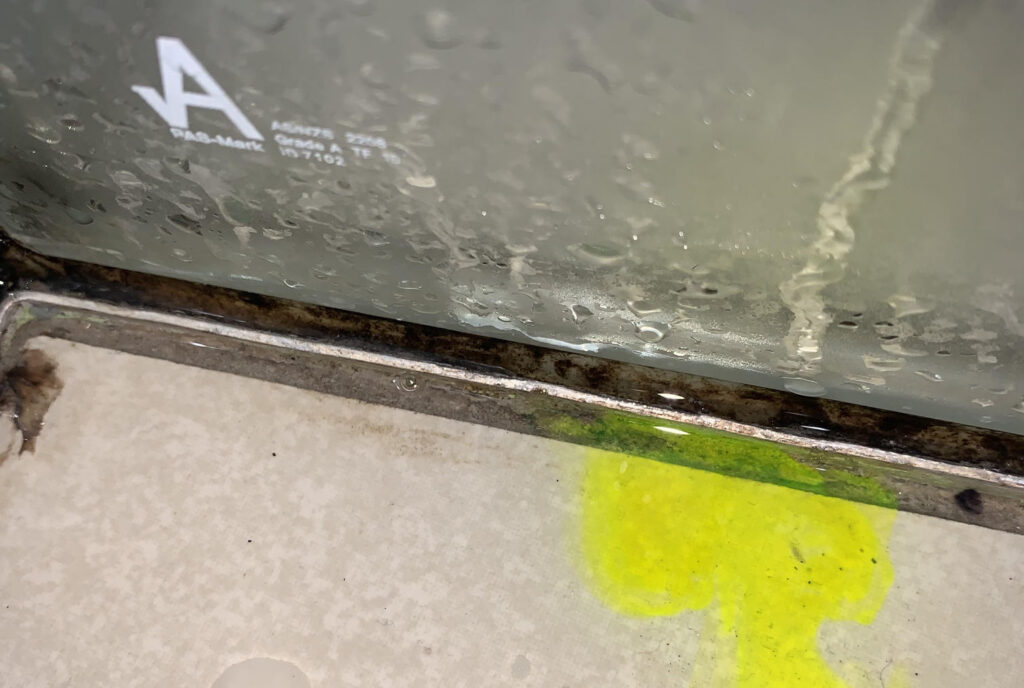
Bathrooms feature more water connections, more penetrations, and face more moisture exposure than any other room in your house. This makes them particularly vulnerable to water leaks and damage.
Despite being designed to manage water, bathrooms are the one of the most common sources of concealed water leaks. Today, we will explore the leading sources of leaks in bathrooms, the risks, warning signs, and how professional bathroom leak detection can help protect your property.
Why Bathrooms Are Particularly Vulnerable to Leaks
Bathrooms are home to a range of fixtures, fittings and pipework in close proximity, from toilets and showers to sinks and bathtubs. The sheer amount of water components in one place increases the risk of leaks, as all of these components are susceptible to damage and leaks over time as they age or corrode.
Sometimes a bathroom leak can be as simple and obvious as a dripping tap or running toilet, but they also often occur where they cannot be seen, such as behind tiles, under flooring, or inside wall cavities. These types of leaks can be more difficult to detect, allowing them to go unnoticed long-term while causing serious damage.
The compounding effects of the constant moisture and humidity inside bathrooms can also accelerate deterioration of grout, silicone, waterproofing, and pipe fittings. It also supports the growth of mould and mildew, leading to further damage and health risks.
The Most Common Sources of Bathroom Leaks
Water leaks in bathrooms can come from a number of sources, including:
- Waterproofing Membrane Failure: As waterproofing membranes, such as grout and silicone, age they can deteriorate, and start cracking, shrinking or losing adhesion, especially in joins and corners. This allows water to seep through the gaps into walls or flooring.
- Concealed Pipe Failures: Hot and cold water supply pipes behind walls and under floors are prone to joint fatigue, corrosion, and thermal stress. This can cause them to come loose or break leading to hidden water damage inside walls.
- Toilet Pan and Cistern Leaks: Toilets are susceptible to various types of leaks, including at connections, inside the cistern, and from valve failure which allows water to run continuously into the pan. Fortunately these types of leaks are often visible and audible, allowing for simple detection.
- Basin and Vanity Connections: Water leaks can occur where the tap body connects to the wall or vanity, allowing water to pool or drip back down along walls or inside cabinets. Slow drips inside cabinetry can go undetected long-term while causing serious damage.
- Floor Waste and Drainage: Poorly sealed floor wastes or cracked or displaced drainage pipework beneath the slab can allow water to escape into the subfloor, damaging flooring. These leaks can be more difficult to detect as they only occur during use rather than occurring consistently, making signs more difficult to spot and correlate.
The Risks of Leaving Bathroom Leaks Undetected
Water leaks can cause serious damage to your property if left undetected and unaddressed for long periods of time. Water can travel a long distance through floor substrates, wall cavities, and ceiling spaces before surfacing, causing structural damage along its whole path without your knowledge.
Mould spores thrive in damp environments, making bathrooms the ideal growing environment. Then, if you have sitting water from a leak, it can increase the likelihood of mould growth in an already susceptible area. If left to spread, mould and mildew can present serious safety concerns if inhaled for a significant period of time.
Water leaks are also costly in more ways than one. Firstly, each drop of water will be reflected on your water bill, and even a small leak can add up quicker than you may think, wasting litres and costing hundreds in a short period. Additionally, water leaks can cause extensive structural damage throughout not only the bathroom but also adjoining rooms depending on the scale and length of time it went undetected. The cost of these repairs can add up quickly.
Warning Signs of a Bathroom Leak
Fortunately, even the most concealed water leaks can have some signs if you pay attention, though they can take time to surface:
- Unexplained increase in water bills
- Mould or mildew on walls, ceilings, or grout
- Damp or soft patches on flooring
- Peeling paint or bubbling plasterboard
- Musty or stale odour
- Staining on ceilings
- Swollen or warped vanity joinery
- Visible grout or silicone deterioration
- Reduced water pressure
- Sound of running water
If you notice any of these signs, you likely have a hidden water leak somewhere in your bathroom. Contact bathroom leak detection specialists as soon as possible to book a detection inspection for tailored advice and targeted repairs.
How Professional Bathroom Leak Detection Works
When you contact LeakTech for bathroom leak detection, you can trust that we will find the leak. We offer an efficient, non-invasive approach, finding even the most elusive bathroom leaks accurately and with minimal damage or disruption.
Our experienced technicians use advanced leak detection equipment to pinpoint moisture and leak sources effectively. One major method we use is thermal imaging, using special infrared cameras to detect ‘hot spots’ caused by hidden moisture inside wall cavities or under flooring. This allows us to trace moisture pathways back to the source and map the extent of the damage for repairs.
We also use acoustic detection devices to listen for dripping or hissing sounds inside concealed pipework. This allows us to pinpoint pipe damage causing water leaks and expose just the damaged section of pipe for repairs.
Find Bathroom Leaks Fast and Minimise Damage
Bathroom leaks are common, often concealed, and always more costly the longer they go undetected. The best way to protect your property and wallet is to detect and address leaks as early as possible.
If you notice any of the signs mentioned above, contact our bathroom leak detection team as soon as possible to book an inspection before the damage spreads and the expenses skyrocket.


